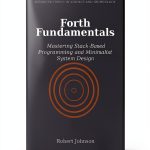


Description
Product Overview
Springer’s 3rd edition computer science textbook delivers an exhaustive exploration of algorithmic theory and data processing techniques, compiled for both academic study and professional reference. Spanning 810 pages, the print replica format faithfully reproduces the original layout, ensuring that diagrams, code snippets, and mathematical expressions retain their clarity. The book forms part of the respected “Texts in Computer Science” series, reflecting Springer’s commitment to scholarly rigor and up‑to‑date content. Each chapter is organized to guide readers from foundational concepts through advanced topics, allowing a progressive learning experience. The material covers a broad spectrum of subjects, including sorting and searching algorithms, graph theory, computational complexity, and modern data handling methods. Detailed examples illustrate how theoretical principles translate into practical programming solutions, supporting readers in developing robust code. The text also integrates case studies that demonstrate real‑world applications of algorithmic strategies in fields such as bioinformatics, finance, and artificial intelligence. Throughout the volume, emphasis is placed on clear explanations, avoiding unnecessary jargon while maintaining academic depth. Supplementary resources, such as suggested exercises and further reading lists, encourage active engagement and deeper investigation. The 3rd edition updates earlier content with recent advancements, reflecting the fast‑evolving nature of computer science curricula. High‑resolution figures and tables are reproduced with precision, aiding visual learners and facilitating quick reference. The book’s ISBN‑13 978‑3030542566 ensures easy identification across libraries and online retailers. With a customer rating of 4.5 stars from over four hundred reviewers, the textbook has earned a reputation for reliability and educational value. Its placement in Kindle Store rankings highlights its popularity among students seeking comprehensive algorithmic knowledge. Whether used as a primary course textbook or a supplemental reference, this volume offers a solid foundation for mastering computer science fundamentals.
![[Product front view showing all components]](https://www.ballgoods.store/wp-content/uploads/2026/06/44a98a82387e4759b814cedc73f30e74.jpg)
Usage
Designed for university curricula, this textbook serves as the core reading material for introductory and intermediate algorithm courses. Instructors can assign chapters as weekly readings, aligning problem sets with the detailed examples provided. The print replica ensures that students receive the same visual experience as the original digital edition, facilitating consistent discussion in lecture halls.
Graduate students pursuing advanced topics in data processing will find the comprehensive coverage valuable for research projects. The extensive bibliography at the end of each chapter guides scholars toward seminal papers and contemporary studies, supporting literature reviews and thesis development. The book’s clear structure allows for selective reading, enabling focused study on specific algorithms.
Professionals in software development and data analysis can use the text as a reference guide when designing efficient code. The practical examples demonstrate how to implement sorting, searching, and graph algorithms in popular programming languages, bridging theory and application. By consulting the relevant sections, engineers can quickly resolve performance bottlenecks and optimize system architecture.
Self‑learners and hobbyists benefit from the logical progression of concepts, which builds confidence as they master each topic. The inclusion of real‑world case studies provides context, making abstract ideas tangible. Readers can apply the learned techniques to personal projects, such as building a recommendation engine or analyzing large datasets, reinforcing knowledge through hands‑on practice.
The book’s format is compatible with both physical and digital study environments. Students can annotate printed pages with notes, while the PDF version allows for keyword searches and bookmarking. This flexibility supports diverse learning styles, whether one prefers traditional note‑taking or modern digital organization.
Educators can leverage the textbook’s end‑of‑chapter questions to assess comprehension. The questions range from conceptual queries to programming challenges, enabling a comprehensive evaluation of student understanding. Instructors may also adapt these exercises for in‑class activities, fostering collaborative problem‑solving.
Libraries and academic institutions can stock the volume as part of their computer science collections. Its comprehensive scope makes it a valuable resource for interdisciplinary programs, including information technology, electrical engineering, and applied mathematics. The durable print replica ensures longevity for repeated semester use.
Overall, the textbook’s versatility makes it suitable for a wide array of learning scenarios, from structured classroom instruction to independent study, supporting the development of strong algorithmic thinking and data processing expertise.
Why Choose Us
Springer’s reputation as a leading academic publisher guarantees that the content meets rigorous peer‑review standards. Each chapter has been authored by experts with extensive experience in algorithm research and teaching, ensuring accuracy and relevance. The 3rd edition incorporates feedback from educators and students, refining explanations and updating examples to reflect current industry practices.
The print replica format preserves the original design, including high‑quality figures, tables, and code listings. This attention to detail eliminates the need for reformatting, saving time for both instructors and learners. The physical dimensions of the book are optimized for comfortable handling, making it easy to carry between classes or study sessions.
Springer provides comprehensive support services for its publications. Customers can access online resources such as supplemental PDFs, errata notices, and author contact information through the publisher’s website. In case of delivery issues or damaged copies, the company offers prompt replacement or refund, reinforcing confidence in the purchase.
The textbook’s alignment with common curriculum standards facilitates accreditation and syllabus planning. Course designers can map learning outcomes directly to the book’s chapters, simplifying curriculum development. The inclusion of diverse algorithmic topics ensures coverage of required competencies for computer science degree programs.
Environmental considerations are addressed through responsible printing practices. Springer utilizes recycled paper and eco‑friendly inks where possible, reducing the ecological footprint of each copy. Buyers can feel assured that their purchase supports sustainable publishing initiatives.
The book’s extensive citation index reflects its influence in the academic community. Researchers frequently reference its content in scholarly articles, underscoring its authority as a source of reliable information. This citation strength adds value for students who wish to cite reputable material in their own work.
Finally, the positive customer feedback, reflected in a 4.5‑star rating from over four hundred reviewers, highlights satisfaction with the book’s clarity, depth, and usability. Readers consistently praise its balance of theory and practice, confirming that the textbook delivers on its promise of effective learning.
Key Features
- Comprehensive coverage of core algorithms, enabling readers to understand and implement sorting, searching, and graph techniques across multiple programming languages.
- 810 pages of detailed explanations, examples, and case studies that bridge theory with real‑world applications in fields like bioinformatics and finance.
- Print replica format preserves original layout, ensuring high‑resolution figures and code snippets remain clear and easy to reference in any study setting.
- Updated 3rd edition incorporates recent advancements and feedback, providing current content aligned with modern computer science curricula.
- Access to supplemental online resources and responsive publisher support, offering errata updates, additional PDFs, and assistance for any purchase‑related concerns.
FAQ
What prior knowledge is needed to use this textbook effectively?
While the book is designed to be accessible to newcomers, having a basic understanding of programming concepts such as variables, loops, and simple data structures will help readers grasp the material more quickly. Familiarity with fundamental mathematics, particularly discrete mathematics, is also beneficial, as many algorithmic analyses rely on concepts like sets, functions, and proofs. However, the textbook includes introductory sections that review essential topics, allowing students with limited background to build the necessary foundation as they progress through the chapters.
Is the book suitable for self‑study without a classroom environment?
Yes, the textbook is well‑suited for independent learners. Each chapter is structured with clear explanations, illustrative examples, and end‑of‑chapter exercises that encourage active practice. The print replica format retains the original layout, making it easy to follow diagrams and code snippets without needing additional digital tools. Moreover, the supplemental online resources, such as downloadable PDFs and errata, provide extra support for self‑directed study, enabling readers to verify their understanding and explore topics in greater depth at their own pace.
Can I access the content digitally if I prefer an e‑reader?
The publisher offers a digital version of the same content, which can be purchased through major e‑book platforms. The e‑reader format includes searchable text, bookmarking capabilities, and the ability to highlight passages, which can enhance the study experience for those who prefer electronic devices. However, the print replica edition ensures that the visual quality of figures and code listings matches the original design, which some readers find advantageous for detailed study and annotation.
How does the print replica differ from a standard paperback edition?
The print replica is a faithful reproduction of the original digital layout, preserving the exact formatting, high‑resolution images, and precise placement of code examples. In contrast, a standard paperback may reflow text and adjust graphics to fit a different page size, potentially altering the intended presentation. The replica format guarantees that readers see the material exactly as the authors intended, which is especially important for complex diagrams and code snippets that rely on specific alignment and spacing.


 Prometheus Laser Engineering Illustrated eBook 306‑Page Guide
  C++ Parallel Programming eBook by Packt Publishing 615‑Page Edition
Reviews
There are no reviews yet.